Aviation Switching Module – NSN 4920-01-250-2696 (AS-IS / Untested): Aerospace Switching Unit for Professional Inspection
Aviation Switching Module – NSN 4920-01-250-2696 (AS-IS / Untested): Aerospace Switching Unit for Professional Inspection
Blog Article
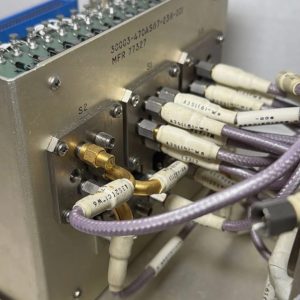
The Aviation Switching Module – NSN 4920-01-250-2696 (AS-IS / Untested) is a specialized aerospace electrical component offered for professional evaluation, restoration, testing, parts recovery, collection, or another suitable non-assumed application.
The Aircraft Switching Module offers potential maintenance or restoration value, while the Aerospace Switching Module must be inspected for condition, completeness, modification, and storage-related deterioration.
An Aircraft Electrical Switching Module, Aviation Electrical Control Module, Aircraft Power Switching Module, Aerospace Electrical Control Unit, and Aircraft Signal Switching Module may describe related switching or control functions, but the exact purpose of this NSN should be verified before use.
Whether described as an Aviation Control Module, Aircraft Switching Unit, Aerospace Power Distribution Module, Aircraft Electrical Control Unit, or Aviation Power Control Module, the component should remain identified primarily by its NSN and physical markings.
Overview of the Aviation Switching Module
A matching NSN can improve identification, but it does not establish present condition, functional status, completeness, or suitability for a particular aircraft or test system.
The exact manufacturer, model number, electrical specifications, switching functions, and associated equipment should be confirmed through reliable technical references whenever available.
Understanding AS-IS and Untested Condition
Transparent AS-IS terms help specialists evaluate price and risk realistically.
Improper voltage, polarity, grounding, current, signal input, or connector pin assignment can damage the module and connected equipment.
Aircraft Switching Module Applications
Application accuracy protects buyers from assuming that a broadly named Aircraft Switching Module will fit their project.
Switch movement can be checked gently for obvious binding or damage, but mechanical movement does not establish electrical operation.
Rugged Aviation Module Design
Age, handling, impact, humidity, temperature changes, contamination, and long-term storage can affect both mechanical and electrical condition.
Unknown connectors should not be forced into visually similar plugs.
Aircraft Electrical Switching Module Inspection
A burnt odor, melted material, soot, or arcing marks should be disclosed clearly.
The module should not be modified simply to produce a temporary power-on result.
Maintaining Electrical Control Equipment
The module may interact with relays, switches, indicators, sensors, power sources, test connections, or other control equipment.
Careful preservation supports future study and accurate Aviation Electrical Control Module documentation.
Choosing an Aircraft Power Switching Module
A switch that moves normally may still contain burned, corroded, welded, or high-resistance electrical contacts.
Power-input and output terminals should be checked for looseness, heat discoloration, corrosion, damaged insulation, and unsuitable previous repair.
Aviation Control Unit Inspection
Visual inspection, continuity checks, insulation review, component identification, and controlled testing may form part of a professional evaluation.
A common-looking relay, switch, resistor, connector, or wire may not be an acceptable substitute.
Choosing an Aircraft Signal Switching Module
An Aircraft Signal Switching Module may route low-level, control, communication, measurement, or test signals between compatible equipment channels.
Shielding, grounding straps, connector shells, cable clamps, and enclosure bonding can influence signal performance where included in the original design.
Choosing an Aviation Control Module
Buyers should determine whether they need a direct replacement, restoration item, training aid, or parts source.
Every marking should be recorded before purchase or installation planning.
Aircraft Test and Support Equipment
Its value depends on identity, completeness, cosmetic condition, connector integrity, internal status, rarity, and availability of documentation.
Responsible educational use can extend the value of the Aircraft Switching Unit.
Aerospace Circuit Management
A module should not be loaded electrically until contact condition, insulation, wiring, and circuit configuration are understood.
Additional mounting holes should not be drilled until the component application is established.
Aircraft Module Functional Evaluation
An Aircraft Electrical Control Unit should receive an organized inspection covering identification, website enclosure condition, connectors, controls, labels, hardware, internal components, and signs of environmental exposure.
Continuity measurements, insulation checks, contact-resistance testing, and component examination may be appropriate when performed by qualified personnel.
Aviation Electrical Power Management
Broad market keywords can support discovery while the technical description remains precise.
Warning labels should remain visible and legible.
Understanding an Aircraft Electronic Switching System
An Aircraft Electronic Switching System may consist of multiple modules, harnesses, control panels, relays, indicators, power sources, and associated equipment.
A replacement AS-IS unit may provide useful comparative parts but should not be installed without evaluation.
Aerospace Switching Unit Storage and Handling
The Aerospace Switching Unit should be stored in a clean, dry, stable environment protected from moisture, dust, chemicals, impact, pests, and extreme temperature changes.
Insured and trackable transportation supports responsible sales of specialized aviation hardware.
Commercial Inspection of an Electrical Module
A buyer seeking an operational replacement has different needs from a collector, technical school, parts dealer, or restoration specialist.
The seller should explain whether the unit has been powered, opened, repaired, modified, tested, or removed from known equipment.
Evaluating an AS-IS Aircraft Switching Unit
The seller should disclose corrosion, missing parts, broken controls, damaged connectors, previous repairs, opened seals, burned areas, contamination, and signs of impact.
- Request photographs of all labels, switches, controls, connectors, mounting points, enclosure surfaces, seals, fasteners, and included accessories.
- Inspect the enclosure for dents, cracks, corrosion, missing screws, altered holes, broken seals, damaged brackets, and signs of previous opening.
- Report shipping damage, missing accessories, identification differences, undisclosed repairs, or altered condition promptly.
Testing the Aviation Switching Module
Testing should begin with identification research, visual inspection, connector mapping, safety review, and examination of available technical documentation.
Partial operation should not be presented as complete certification, calibration, or airworthiness.
Repairing Legacy Aviation Control Hardware
Replacement parts should be selected according to electrical rating, mechanical fit, material, environmental requirements, and original design intent.
Photographs can document internal condition before and after work.
Final Thoughts on the Untested Aircraft Switching Module
The Aviation Switching Module – NSN 4920-01-250-2696 (AS-IS / Untested) can provide restoration, research, parts, training, collection, or professional evaluation value when its identity and condition are understood clearly.
Careful technical and commercial evaluation can reduce equipment damage, incompatible purchases, missing-accessory costs, testing hazards, and restoration delays.
Whether customers search for an Aircraft Electronic Switching System, Aerospace Switching Unit, or Aircraft Electrical Module, broad terminology should not replace technical application research.
With transparent condition reporting, secure shipping, controlled testing, appropriate repair methods, and accurate records, the unit can support a professional aerospace project.
Report this page